.png)
We are an education company reinventing how children of age 4-16 learn science and technology.
Get Our FREE English and STEAM Workbook


Copyright © 2019-2023. Big Bang Academy Hong Kong. All rights reserved.
.png)
2026 STEAM Winter Programme
Unlock Premier STEAM Camps for Ages 4-14 —
Limited Spots for Winter STEAM Camps & Hong Kong Study Tours
%20(1).png)
.png)
.jpeg)
Join the STEM adventure tailored for your child!

⭐ Ages 4–5:
HKD 1,680 (2 hours x 2 days)
⭐ Ages 6-8, 9-11:
HKD 1,950 (2.5 hours x 2 days)
⭐ Global Programme Tours:
HK$6,399 (2-Full Day, Visits & Outing, includes lunch and transportation)

🚀 Super Early Bird:
Up 10% OFF before 30 OCT
🚀 Buddy/ Bundle. Discount:
Sign up with a sibling/ friend or sign up for more than 1 camp to get extra 10% OFF
Combine to get up to 19% OFF
💬 Chat with Our Education Consultant to Find the Perfect Package
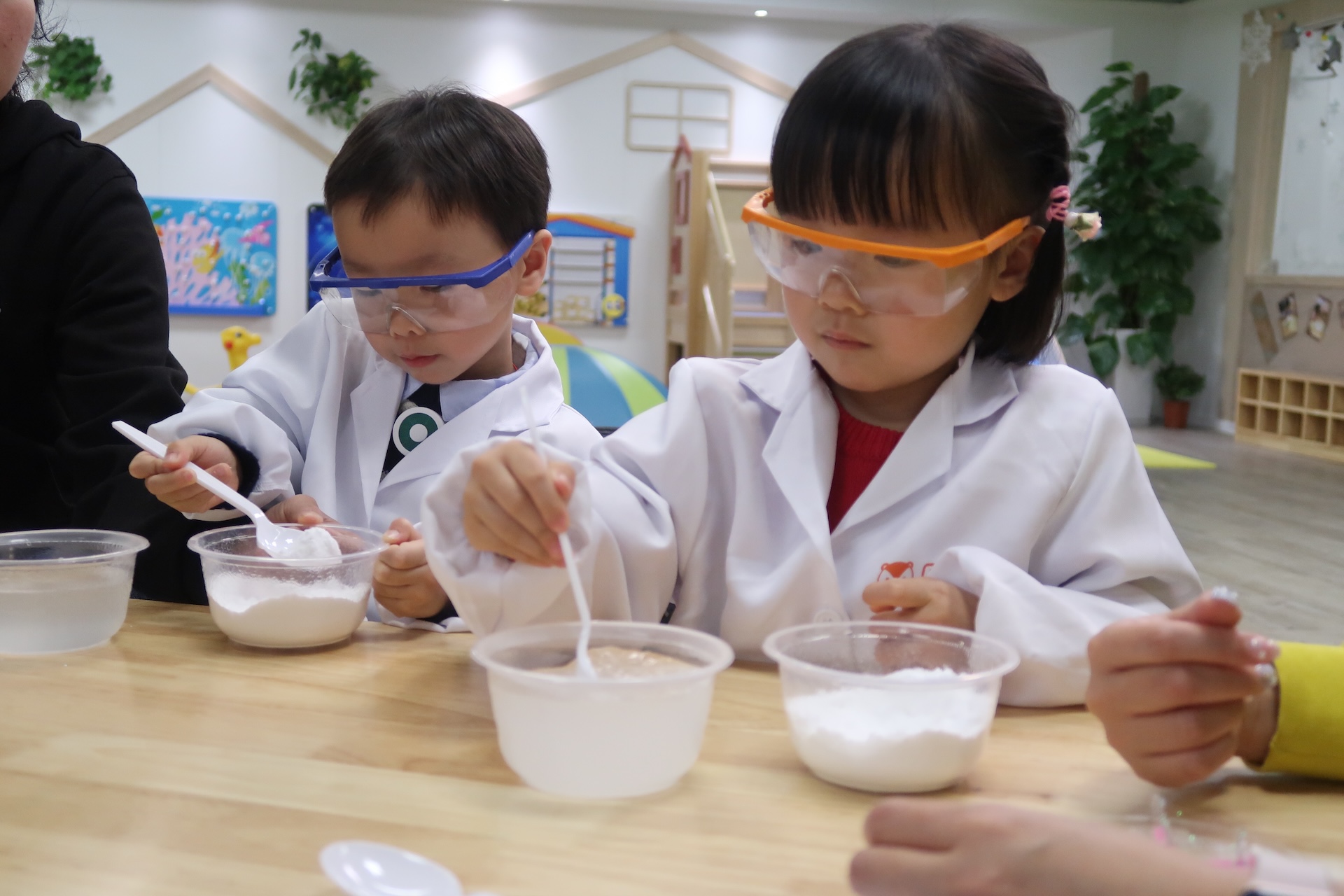
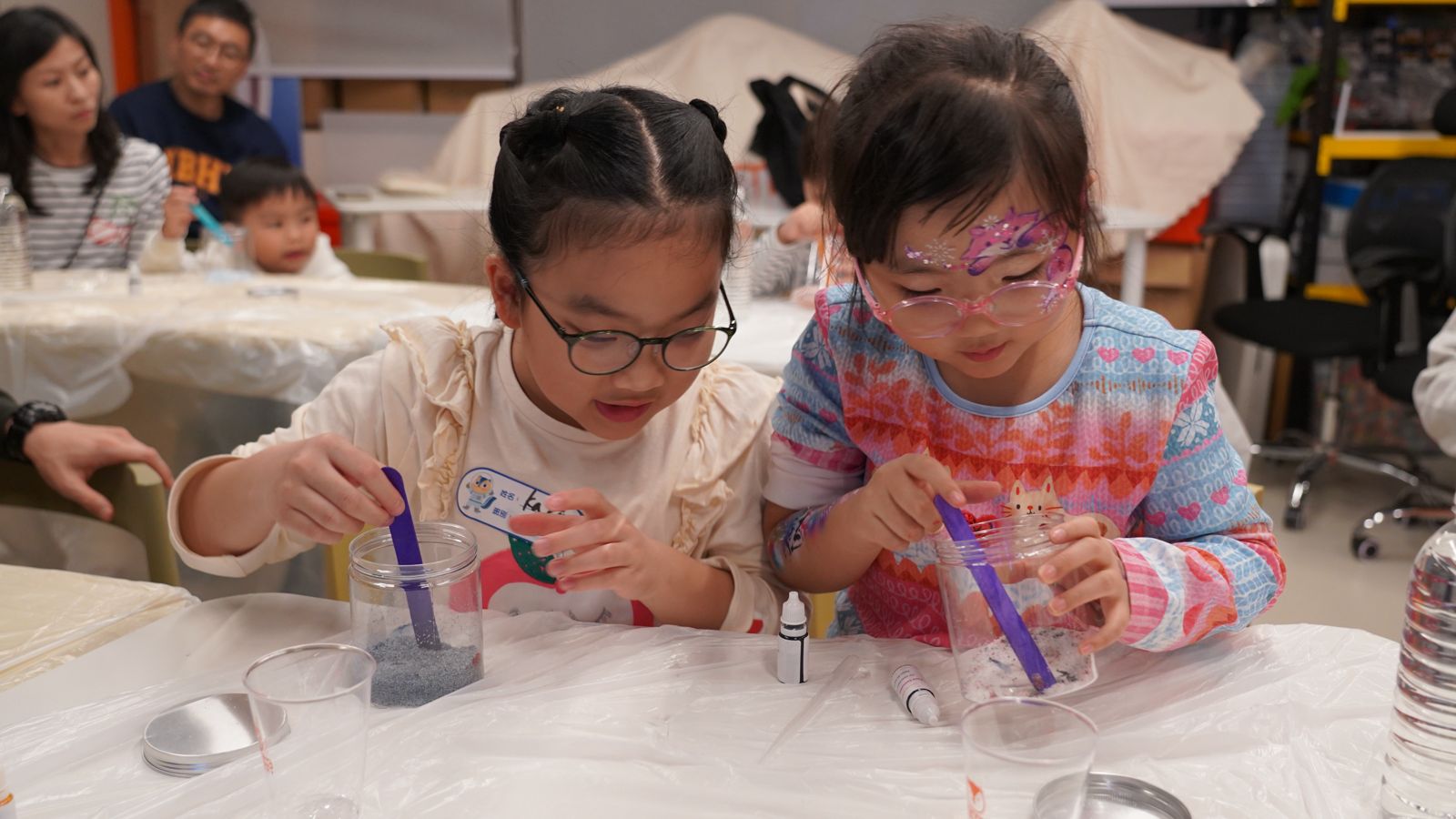
🔥 A Hands-on STEAM Curriculum: Take home daily.
🔥 The CEO Communication Method™: Presentation practice and coaching.
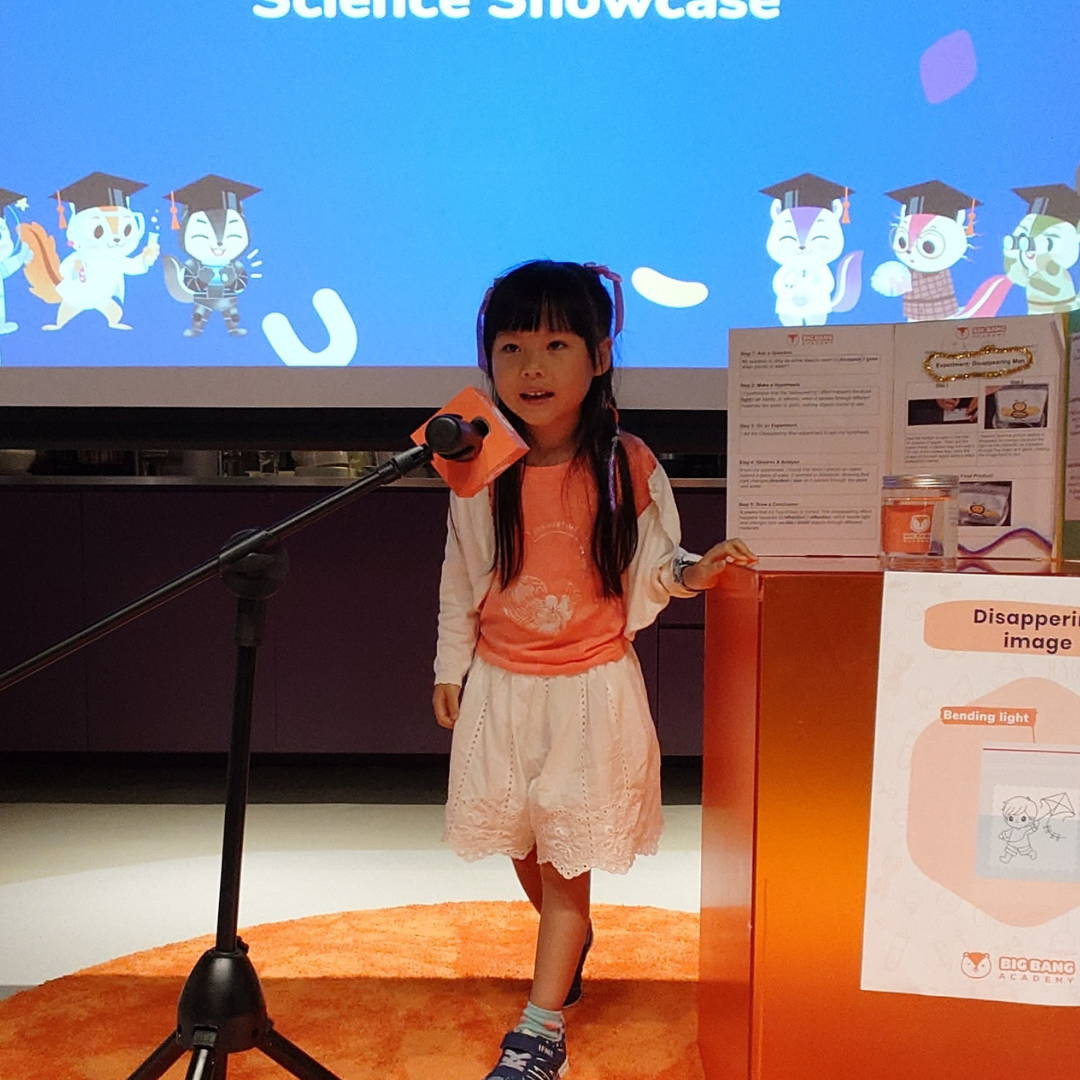
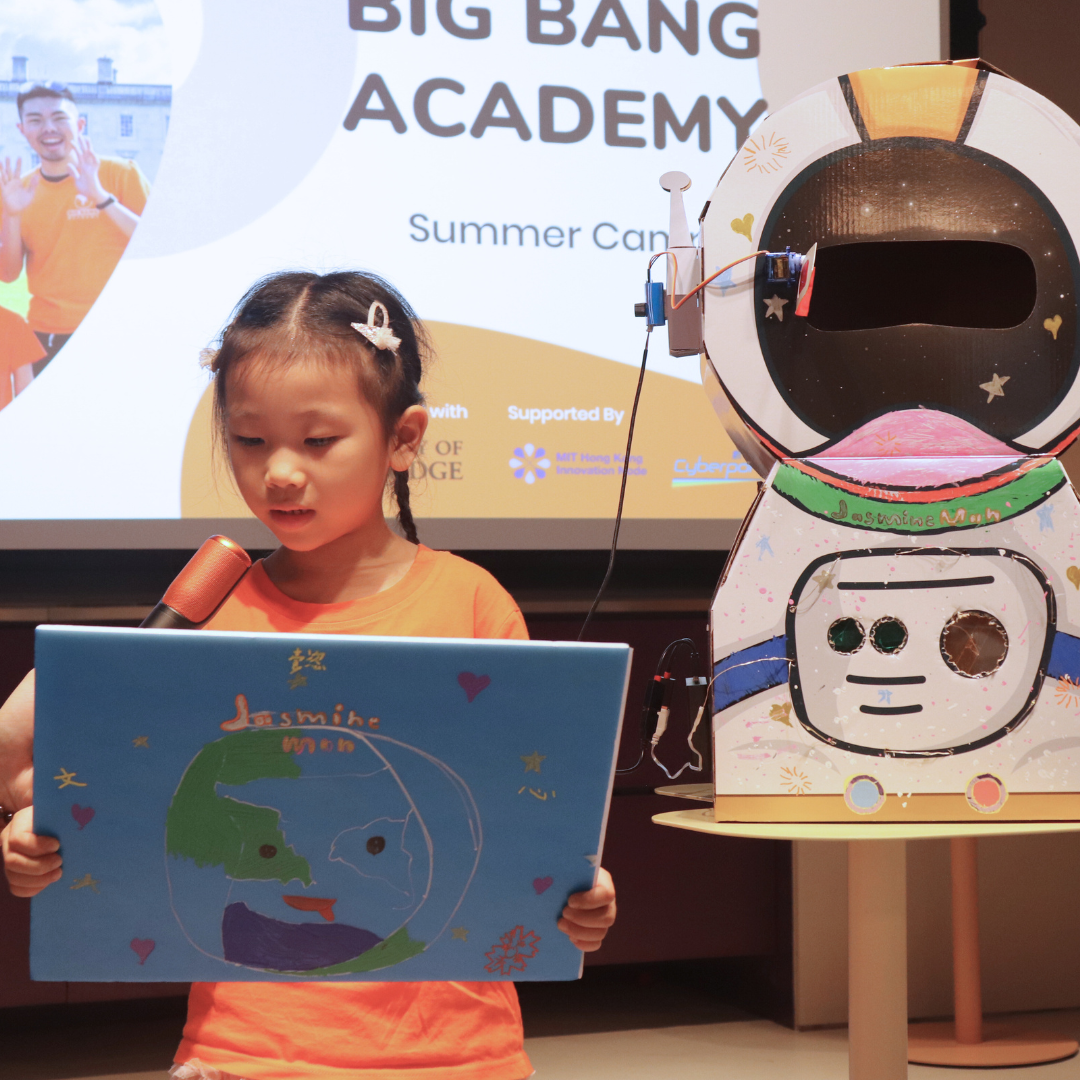
🔥 Outcome: Every child presents their work at final day showcase.
🔥 Official Recognition: A STEM.ORG accredited certificate

🤖 2 days of hands-on experiments, team challenges, and presentations—kids will “think, build, speak”.
🤖 Teacher debriefing with parents after class.
🤖 Bring home your projects and certificate.
10%OFF for Super Early Birds + 10%OFF Buddy/ Bundle Discount.


Peppa Pig’s Junior Engineer (Age 4–5) helps children think like scientists by making predictions and simple comparisons while exploring gravity, slope, friction, pushes and pulls. They build a dinosaur robot soft toy with real components to discover complete circuits, switch control, and how sound comes from vibration. They also investigate simple machines. How a pulley changes force direction—then speak confidently in a picture-led show-and-tell, explaining what they observed and improved.
In Frozen Science Adventure (age 4–5), young scientists go on an adventure, where they investigate how human organs support us to stay alive and do activities. Then they will explore more about human body by learning about cells as the tiny building blocks of living things. They will build Organ Christmas Card, mix a nutrient “magic potion” and observe crystal growth on a Magic Tree, decorate a Christmas Cell Ornamentthen speak with confidence—explaining their predictions, results and rescue story.
Peppa Pig’s Junior Engineer (Age 4–5) helps children think like scientists by making predictions and simple comparisons while exploring gravity, slope, friction, pushes and pulls. They build a dinosaur robot soft toy with real components to discover complete circuits, switch control, and how sound comes from vibration. They also investigate simple machines. How a pulley changes force direction—then speak confidently in a picture-led show-and-tell, explaining what they observed and improved.
In Frozen Science Adventure (age 4–5), young scientists go on an adventure, where they investigate how human organs support us to stay alive and do activities. Then they will explore more about human body by learning about cells as the tiny building blocks of living things. They will build Organ Christmas Card, mix a nutrient “magic potion” and observe crystal growth on a Magic Tree, decorate a Christmas Cell Ornamentthen speak with confidence—explaining their predictions, results and rescue story.
Peppa Pig’s Junior Engineer (Age 4–5) helps children think like scientists by making predictions and simple comparisons while exploring gravity, slope, friction, pushes and pulls. They build a dinosaur robot soft toy with real components to discover complete circuits, switch control, and how sound comes from vibration. They also investigate simple machines. How a pulley changes force direction—then speak confidently in a picture-led show-and-tell, explaining what they observed and improved.
In Frozen Science Adventure (age 4–5), young scientists go on an adventure, where they investigate how human organs support us to stay alive and do activities. Then they will explore more about human body by learning about cells as the tiny building blocks of living things. They will build Organ Christmas Card, mix a nutrient “magic potion” and observe crystal growth on a Magic Tree, decorate a Christmas Cell Ornamentthen speak with confidence—explaining their predictions, results and rescue story.
Peppa Pig’s Junior Engineer (Age 4–5) helps children think like scientists by making predictions and simple comparisons while exploring gravity, slope, friction, pushes and pulls. They build a dinosaur robot soft toy with real components to discover complete circuits, switch control, and how sound comes from vibration. They also investigate simple machines. How a pulley changes force direction—then speak confidently in a picture-led show-and-tell, explaining what they observed and improved.
In Frozen Science Adventure (age 4–5), young scientists go on an adventure, where they investigate how human organs support us to stay alive and do activities. Then they will explore more about human body by learning about cells as the tiny building blocks of living things. They will build Organ Christmas Card, mix a nutrient “magic potion” and observe crystal growth on a Magic Tree, decorate a Christmas Cell Ornamentthen speak with confidence—explaining their predictions, results and rescue story.
Peppa Pig’s Junior Engineer (Age 4–5) helps children think like scientists by making predictions and simple comparisons while exploring gravity, slope, friction, pushes and pulls. They build a dinosaur robot soft toy with real components to discover complete circuits, switch control, and how sound comes from vibration. They also investigate simple machines. How a pulley changes force direction—then speak confidently in a picture-led show-and-tell, explaining what they observed and improved.
In Frozen Science Adventure (age 4–5), young scientists go on an adventure, where they investigate how human organs support us to stay alive and do activities. Then they will explore more about human body by learning about cells as the tiny building blocks of living things. They will build Organ Christmas Card, mix a nutrient “magic potion” and observe crystal growth on a Magic Tree, decorate a Christmas Cell Ornamentthen speak with confidence—explaining their predictions, results and rescue story.
Spider-Man AI Creator Lab (Age 6–8) puts students on a real creative-tech mission. They think by planning a creative story and learning AI prompting, exploring how generative AI transforms ideas into images and music. They will build a 3D model in Tinkercad, producing a 3D printed Spidey Christmas ornament, and assemble an interactive mini‑book with an embedded audio module. They will learn to speak with confidence in the showcase, pitching their creative choices and how the tech worked.
Ice Age Rescue Mission (Age 6–8) throws students into an Ice Age survival challenge using real physics. They measure temperature change, explore exothermic reactions, and investigate heat transfer (conduction, convection and radiatio) through a fair thermal insulation test. Using their data, they build an insulated Winter Cabin. On Day 2, they engineer a Winter Survival Base with pneumatic system to transfer force via air pressure, then optimise gravity-driven motion by adjusting slope, friction, load and tension—and present their design decisions like confident young innovators.
Spider-Man AI Creator Lab (Age 6–8) puts students on a real creative-tech mission. They think by planning a creative story and learning AI prompting, exploring how generative AI transforms ideas into images and music. They will build a 3D model in Tinkercad, producing a 3D printed Spidey Christmas ornament, and assemble an interactive mini‑book with an embedded audio module. They will learn to speak with confidence in the showcase, pitching their creative choices and how the tech worked.
Ice Age Rescue Mission (Age 6–8) throws students into an Ice Age survival challenge using real physics. They measure temperature change, explore exothermic reactions, and investigate heat transfer (conduction, convection and radiatio) through a fair thermal insulation test. Using their data, they build an insulated Winter Cabin. On Day 2, they engineer a Winter Survival Base with pneumatic system to transfer force via air pressure, then optimise gravity-driven motion by adjusting slope, friction, load and tension—and present their design decisions like confident young innovators.
Spider-Man AI Creator Lab (Age 6–8) puts students on a real creative-tech mission. They think by planning a creative story and learning AI prompting, exploring how generative AI transforms ideas into images and music. They will build a 3D model in Tinkercad, producing a 3D printed Spidey Christmas ornament, and assemble an interactive mini‑book with an embedded audio module. They will learn to speak with confidence in the showcase, pitching their creative choices and how the tech worked.
Ice Age Rescue Mission (Age 6–8) throws students into an Ice Age survival challenge using real physics. They measure temperature change, explore exothermic reactions, and investigate heat transfer (conduction, convection and radiatio) through a fair thermal insulation test. Using their data, they build an insulated Winter Cabin. On Day 2, they engineer a Winter Survival Base with pneumatic system to transfer force via air pressure, then optimise gravity-driven motion by adjusting slope, friction, load and tension—and present their design decisions like confident young innovators.
Spider-Man AI Creator Lab (Age 6–8) puts students on a real creative-tech mission. They think by planning a creative story and learning AI prompting, exploring how generative AI transforms ideas into images and music. They will build a 3D model in Tinkercad, producing a 3D printed Spidey Christmas ornament, and assemble an interactive mini‑book with an embedded audio module. They will learn to speak with confidence in the showcase, pitching their creative choices and how the tech worked.
Ice Age Rescue Mission (Age 6–8) throws students into an Ice Age survival challenge using real physics. They measure temperature change, explore exothermic reactions, and investigate heat transfer (conduction, convection and radiatio) through a fair thermal insulation test. Using their data, they build an insulated Winter Cabin. On Day 2, they engineer a Winter Survival Base with pneumatic system to transfer force via air pressure, then optimise gravity-driven motion by adjusting slope, friction, load and tension—and present their design decisions like confident young innovators.
Spider-Man AI Creator Lab (Age 6–8) puts students on a real creative-tech mission. They think by planning a creative story and learning AI prompting, exploring how generative AI transforms ideas into images and music. They will build a 3D model in Tinkercad, producing a 3D printed Spidey Christmas ornament, and assemble an interactive mini‑book with an embedded audio module. They will learn to speak with confidence in the showcase, pitching their creative choices and how the tech worked.
Ice Age Rescue Mission (Age 6–8) throws students into an Ice Age survival challenge using real physics. They measure temperature change, explore exothermic reactions, and investigate heat transfer (conduction, convection and radiatio) through a fair thermal insulation test. Using their data, they build an insulated Winter Cabin. On Day 2, they engineer a Winter Survival Base with pneumatic system to transfer force via air pressure, then optimise gravity-driven motion by adjusting slope, friction, load and tension—and present their design decisions like confident young innovators.
Grinch vs Santa: AI Showdown (Age 9–11) turns students into North Pole tech engineers. They think by training machine learning models for pose recognition and audio recognition, and practising sharp prompt engineering. They build interactive holiday web apps and generate AI music, then bring it into the real world with a microchip-powered singing Santa. Finally, they speak like young professionals—demoing their projects and explaining how their AI works.
Pokémon Engineer Mission (Age 9–11) is a civil engineering mission for Pokémon Rangers: design, simulate and build a rescue bridge strong enough for supplies—and a Snorlax-level load. Students model a 3D Ranger badge in CAD, compare truss designs in ASCE Bridge Designer, then run real load tests to analyse tension, compression, load distribution and failure points—and present their data-driven design like professional engineers.
Grinch vs Santa: AI Showdown (Age 9–11) turns students into North Pole tech engineers. They think by training machine learning models for pose recognition and audio recognition, and practising sharp prompt engineering. They build interactive holiday web apps and generate AI music, then bring it into the real world with a microchip-powered singing Santa. Finally, they speak like young professionals—demoing their projects and explaining how their AI works.
Pokémon Engineer Mission (Age 9–11) is a civil engineering mission for Pokémon Rangers: design, simulate and build a rescue bridge strong enough for supplies—and a Snorlax-level load. Students model a 3D Ranger badge in CAD, compare truss designs in ASCE Bridge Designer, then run real load tests to analyse tension, compression, load distribution and failure points—and present their data-driven design like professional engineers.
Grinch vs Santa: AI Showdown (Age 9–11) turns students into North Pole tech engineers. They think by training machine learning models for pose recognition and audio recognition, and practising sharp prompt engineering. They build interactive holiday web apps and generate AI music, then bring it into the real world with a microchip-powered singing Santa. Finally, they speak like young professionals—demoing their projects and explaining how their AI works.
Pokémon Engineer Mission (Age 9–11) is a civil engineering mission for Pokémon Rangers: design, simulate and build a rescue bridge strong enough for supplies—and a Snorlax-level load. Students model a 3D Ranger badge in CAD, compare truss designs in ASCE Bridge Designer, then run real load tests to analyse tension, compression, load distribution and failure points—and present their data-driven design like professional engineers.
Grinch vs Santa: AI Showdown (Age 9–11) turns students into North Pole tech engineers. They think by training machine learning models for pose recognition and audio recognition, and practising sharp prompt engineering. They build interactive holiday web apps and generate AI music, then bring it into the real world with a microchip-powered singing Santa. Finally, they speak like young professionals—demoing their projects and explaining how their AI works.
Pokémon Engineer Mission (Age 9–11) is a civil engineering mission for Pokémon Rangers: design, simulate and build a rescue bridge strong enough for supplies—and a Snorlax-level load. Students model a 3D Ranger badge in CAD, compare truss designs in ASCE Bridge Designer, then run real load tests to analyse tension, compression, load distribution and failure points—and present their data-driven design like professional engineers.
Grinch vs Santa: AI Showdown (Age 9–11) turns students into North Pole tech engineers. They think by training machine learning models for pose recognition and audio recognition, and practising sharp prompt engineering. They build interactive holiday web apps and generate AI music, then bring it into the real world with a microchip-powered singing Santa. Finally, they speak like young professionals—demoing their projects and explaining how their AI works.
Pokémon Engineer Mission (Age 9–11) is a civil engineering mission for Pokémon Rangers: design, simulate and build a rescue bridge strong enough for supplies—and a Snorlax-level load. Students model a 3D Ranger badge in CAD, compare truss designs in ASCE Bridge Designer, then run real load tests to analyse tension, compression, load distribution and failure points—and present their data-driven design like professional engineers.
In this exclusive Alibaba AI Masterclass, students learn how modern AI tools create stories. They build a storytelling bot with Orange Pi and produce an animated storybook, then present their project with confidence at a live screening showcase.
In this exclusive Alibaba AI Masterclass, students learn how modern AI tools create stories. They build a storytelling bot with Orange Pi and produce an animated storybook, then present their project with confidence at a live screening showcase.
In this exclusive Alibaba AI Masterclass, students learn how modern AI tools create stories. They build a storytelling bot with Orange Pi and produce an animated storybook, then present their project with confidence at a live screening showcase.
In this exclusive Alibaba AI Masterclass, students learn how modern AI tools create stories. They build a storytelling bot with Orange Pi and produce an animated storybook, then present their project with confidence at a live screening showcase.




-min.jpg)

.png)


.png)


